Du bist nicht der einzige mit diesem Problem, es betrifft auch manche anderen Kabelnutzer, aber nicht alle (es lässt sich kein Muster erkennen, welche Faktoren genau zu diesem Problem führen).
Ich vermute fast, es hängt mit DS-Lite zusammen, wie es bei eigentlich allen Kabelanbietern angewendet wird (weil ihnen nicht genug IPv4 Adressen zur Verfügung stehen, wird eine IP Adresse quasi von mehreren Kunden geteilt - dein Router verkapselt die IPv4 Pakete sozusagen in IPv6 Pakete, sendet diese an den Provider, dieser wiederum führt auf seiner Seite eine NAT durch).
Das würde zumindestens erklären, warum das Problem mit DSL nicht auftritt (denn hier wenden die Provider bestenfalls "Dual Stack" an, was aber trotz der Namensähnlichkeit was völlig anderes als "Dual Stack Lite" ist, da hier an den Kunden weiterhin eine richtige IPv4 Adresse vergeben wird).
Leider können wir nichts an diesem Problem machen, außer, einen automatisierten Reconnect einzubauen. Fest steht, wenn der Connection Reset auftritt, handelt es sich um einen kurzzeitigen Abbruch der gesamten Internetverbindung (auch die HIVE-Verbindung geht verloren, seit einigen Versionen verbindet sich das Spiel aber automatisch neu).
Da das Spiel für den Netzwerkbetrieb mehrere Ports sowie nicht nur TCP, sondern auch UDP Verbindungen verwendet, ist die Umsetzung eines automatischen Reconnects leider mit einem gewissen Aufwand verbunden. Da wir generell planen, das Netzwerksystem zu überarbeiten (und im gleichen Zuge auch mit Steam's peer-to-peer kompatibel zu machen [also das bekannte Feature, Freunde über die Freundesliste direkt einzuladen ohne irgendwelche Ports freigeben zu müssen]), würde es sich anbieten, den automatischen Reconnect auch erst zu diesem Zeitpunkt einzubauen (das wäre sonst doppelte Arbeit). Leider haben wir noch nicht die Zeit dafür gefunden, und ich fürchte, die Akzeptanz dafür würde sich momentan auch in Grenzen halten (also wenn wir jetzt bspw. 1-2 Monate ins Netzwerksystem stecken, wovon effektiv nur wenige Leute direkt profitieren, es aber aktuell so viele andere Baustellen gibt).
Wenn die Möglichkeit besteht, sollte IPv6 verwendet werden (denn von deinem Kabelanbieter bekommst du auf jeden Fall eine richtige IPv6 Adresse zugewiesen), oder alternativ einen VPN Service wie bspw. Cyberghost.








 Es ist nämlich noch nicht verdrahtet, da tut sich also nichts. Im Grunde sind eigentlich nur die Dinge "offiziell" zur API hinzugekommen, die auch im Changelog erwähnt sind:




 Wir wollen keine Änderungen mehr an der Lua API bzw. dem Lua-AreaProtection Script vornehmen, daher berücksichtigt dieses das TNT noch nicht. Erst die kommende Neuauflage des AreaProtection Plugins wird sowas berücksichtigen.
 Daher haben wir es zugunsten des Schwefels rausgeworfen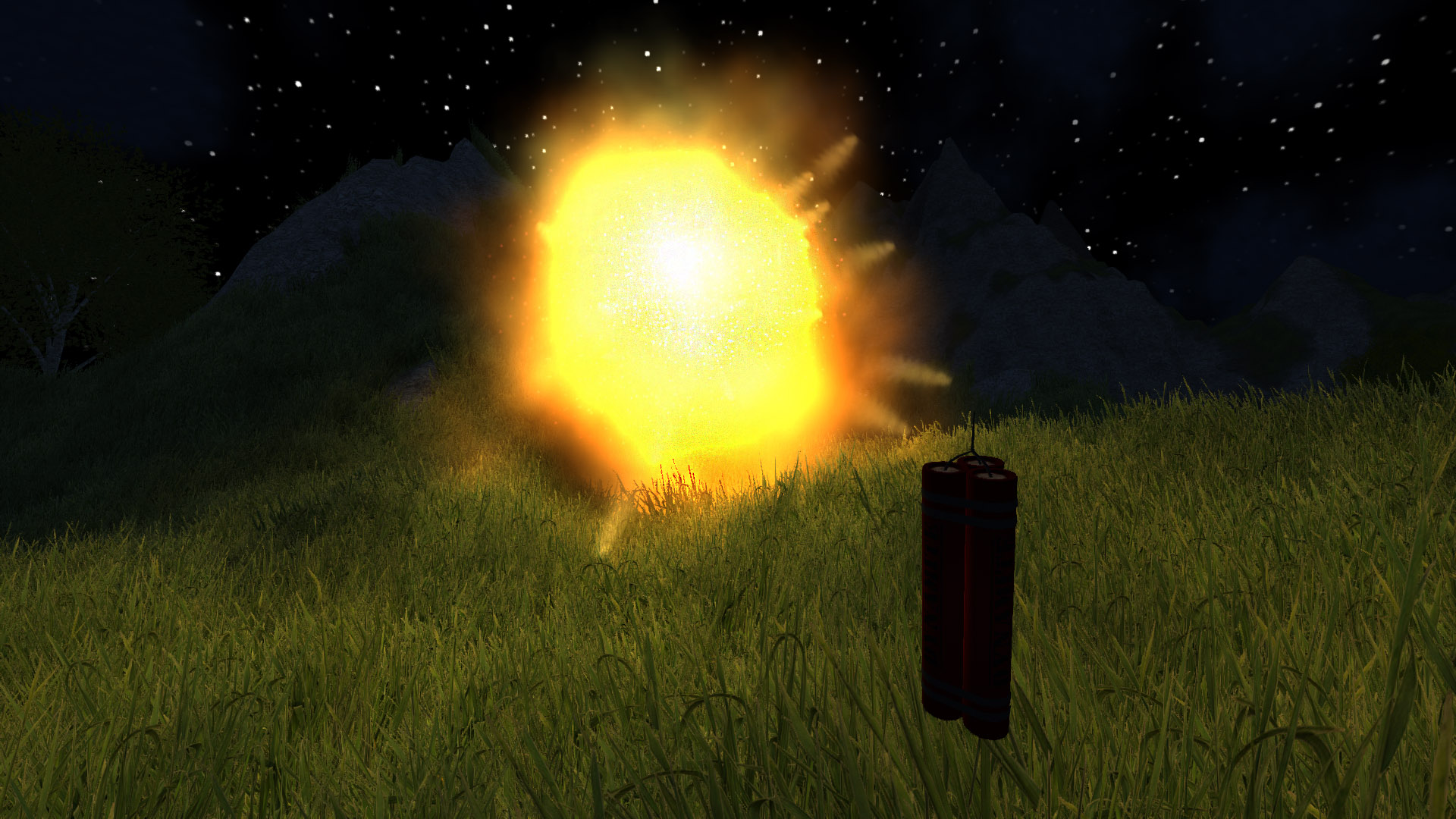

 Ich denke, das hängt mit der Physikengine zusammen, da sollte sich mit dem nächsten Update was tun. Ansonsten wäre im Zweifelsfall ein vollständiger Log hilfreich (also einer, der den Zeitpunkt beinhaltet, wo solch ein Crash auftritt).
 Besteht irgendwie die Möglichkeit, deine Map (oder irgendwie ein Blueprint, mit welchem sich der Fehler reproduzieren lässt) irgendwo hochzuladen, damit wir uns das mal genauer zu Gemüte führen und der Ursache ggf. auf den Grund gehen können)?

